Wild Blue Phlox Uses
It will tolerate more sun in cooler areas or where the soil remains consistently moist during summer. Wild blue phlox is an ideal flowering ground cover for shade.

What Is Woodland Phlox Learn About Growing Woodland Phlox Plants
Wild Blue Phlox had a few medicinal uses.
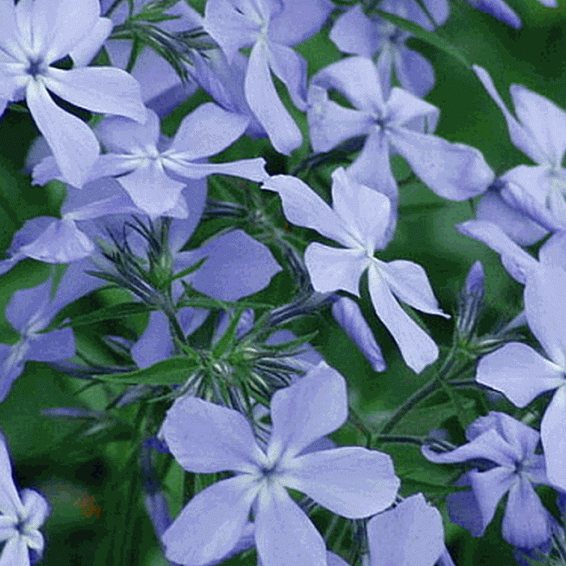
Wild Blue Phlox Uses. Wild phlox grows to roughly 2 feet tall by 2 feet wide and sends up its summer-blooming purple-blue flowers on thin stems. It is hardy to zone UK 5. The roots were also boiled and were used for treating venereal diseases.
Phlox divaricata will produce loose clusters of bluish fragrant flowers atop a delicate green mat of semi-evergreen leaves. It is hardy to zone UK 5. The woodland or wild blue phlox flower as seen in Milwaukee has five petals.
Keep your eyes and ears open and your powder dry. From that time on gardeners seemed to agree with horticulturist Karl Foerster that a. History of the Wild Blue Phlox The Wild Blue Phlox and other.
A tea made from the entire plant was used for treating stomach and intestinal disorders. Phlox divaricata is an evergreen Perennial growing to 05 m 1ft 8in by 1 m 3ft 3in at a medium rate. This garden under the care of famed English botanist William Sherard contained several species of wild phlox from America.
The roots were also boiled and were used for treating venereal diseases. Although it can tolerate deer browse it can succumb to nibbling bunnies. A tea made from the entire plant was used for treating stomach and intestinal disorders.
Wild Blue Phlox had a few medicinal uses. Light sandy and medium loamy soils and prefers well-drained soil. Rose lavender or violet-blue flowers first mature in spring and continue into early summer.
It is noted for attracting wildlife. Light sandy and medium loamy soils and prefers well-drained soil. A leaf tea was used as either a blood purifier or for treating boils and eczema.
Phlox is an evergreen Perennial growing to 05 m 1ft 8in by 1 m 3ft 3in at a medium rate. The tea made from dried Phlox leaves is thought to purify blood and to treat skin conditions such as boils or eczema. Wild Blue Phlox Phlox divaricata was not identified as a species that was used.
Garden Phlox Phlox paniculata Greek Valerian Polemonium reptans Wild Blue Phlox Phlox divaricata. The roots were steeped and were used as eyewash. Dan Mullen CC BY-NC-ND 20 I think were seeing a lot more of dames rocket in the urban areas than we have in the past Renz said noting that casual observers likely assume the flowers are phlox and a sign of thriving native habitat.
In the Victorian language of flowers phlox was included in nosegays to represent united souls or unity. Some uses in the garden include rock gardens border fronts wild gardens native plant gardens or naturalized areas. It was also used in witchcraft as an ingredient to make people work together or as a love potion.
History of the Wild Blue Phlox The Wild Blue Phlox and other. It can grow in full shade deep woodland semi-shade light woodland or no shade. Acid and neutral soils.
That is probably why many wedding bouquets of the time included phlox. Wild phlox sometimes known as wild sweet William grows in. Culinary or Medicinal Uses Wild blue phlox tea has been made from the entire plant to treat stomach and intestinal problems such as aches or indigestion.
This is a low growing phlox rarely exceeding 15 tall. Woodland phlox Phlox divaricata is an eastern North American native increasingly offered as an ornamental to use in cultivated gardens for its attractive bluish flowers. To see all Phlox Family in order by Common Name START HERE.
This plant can form large colonies as the weak stems flop over and root at the nodes. Wild blue phlox is a native woodland phlox though introduced to New England with sticky-hairy leaves and delicate fragrant lavender flowers that attract hummingbirds and butterflies in April and May. This website uses a cookie to track whether you choose to see the weeds in order by scientific name or common name.
Medicinally phloxes have been used as a dermatological gastrointestinal dietary gynecological and pediatric aids. A leaf tea was used as either a blood purifier or for treating boils and eczema. It was used on sores bruises burns as an eye wash stimulant and even as a love medicine.
It is also an effective shallow-rooted cover for early spring bulbs. The roots were steeped and were used as eyewash. The first botanical records of native phlox first appear in Hortus Elthamensis botanist Johann Dillenius published description of a famous experimental garden near London in 1732.
It is noted for attracting wildlife.
Phlox Divaricata Wild Blue Phlox Wildflower Seed
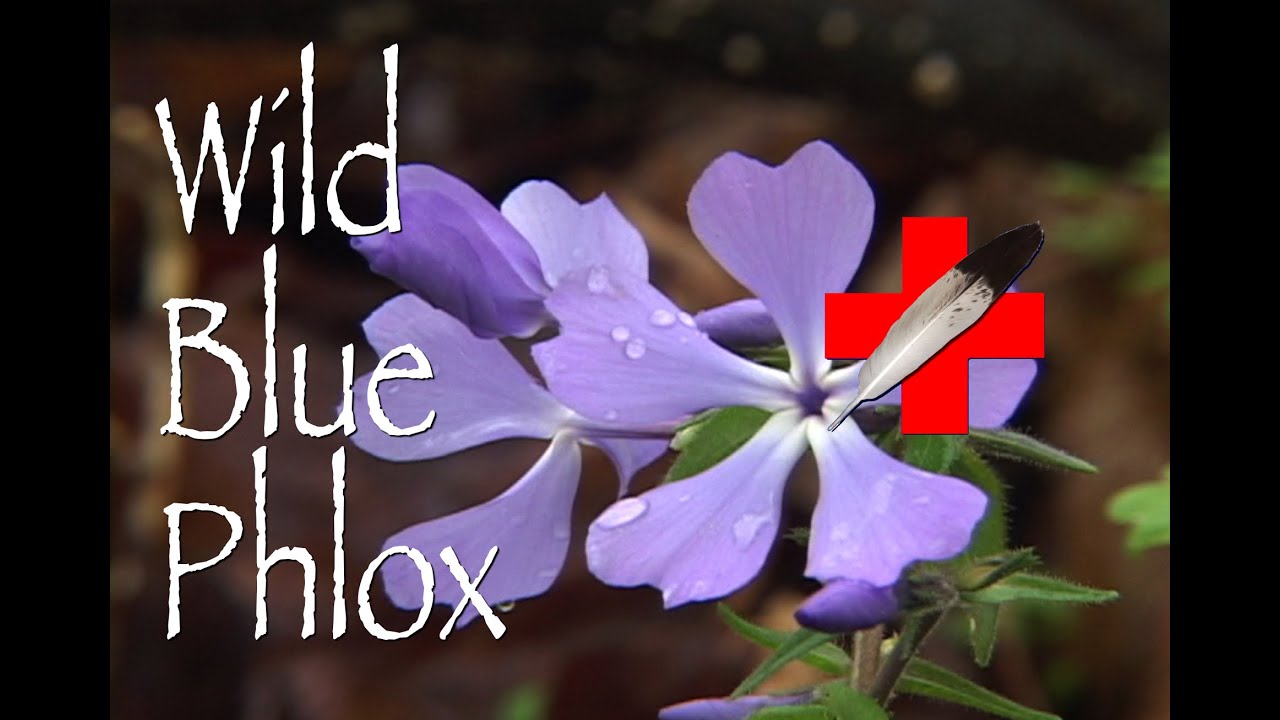
Wild Blue Phlox Medicinal Youtube
Phlox Divaricata Wild Blue Phlox Native Plants Of North America

Phlox Divaricata May Breeze Woodland Phlox

File Phlox Divaricata Wild Blue Phlox 2 Jpg Wikibooks Open Books For An Open World

Phlox Divaricata Blue Phlox Eastern Blue Phlox Louisiana Phlox Struggling Phlox Wild Sweet William Woodland Phlox Wood Phlox North Carolina Extension Gardener Plant Toolbox

Phlox Divaricata Blue Phlox Eastern Blue Phlox Louisiana Phlox Struggling Phlox Wild Sweet William Woodland Phlox Wood Phlox North Carolina Extension Gardener Plant Toolbox

Phlox Divaricata Plant Care How To Grow Woodland Phlox

Phlox Divaricata Blue Moon Woodland Phlox

Phlox Divaricata Woodland Phlox

Phlox Divaricata Wild Blue Phlox Go Botany

Wild Blue Phlox Phlox Divaricata Wisconsin Pollinators

Woodland Phlox Wild Blue William Phlox Divaricata My Garden Life
Phlox Divaricata Woodland Phlox From New Moon Nurseries
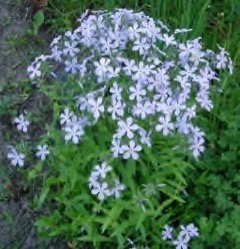
Phlox Divaricata Wild Blue Phlox Pfaf Plant Database
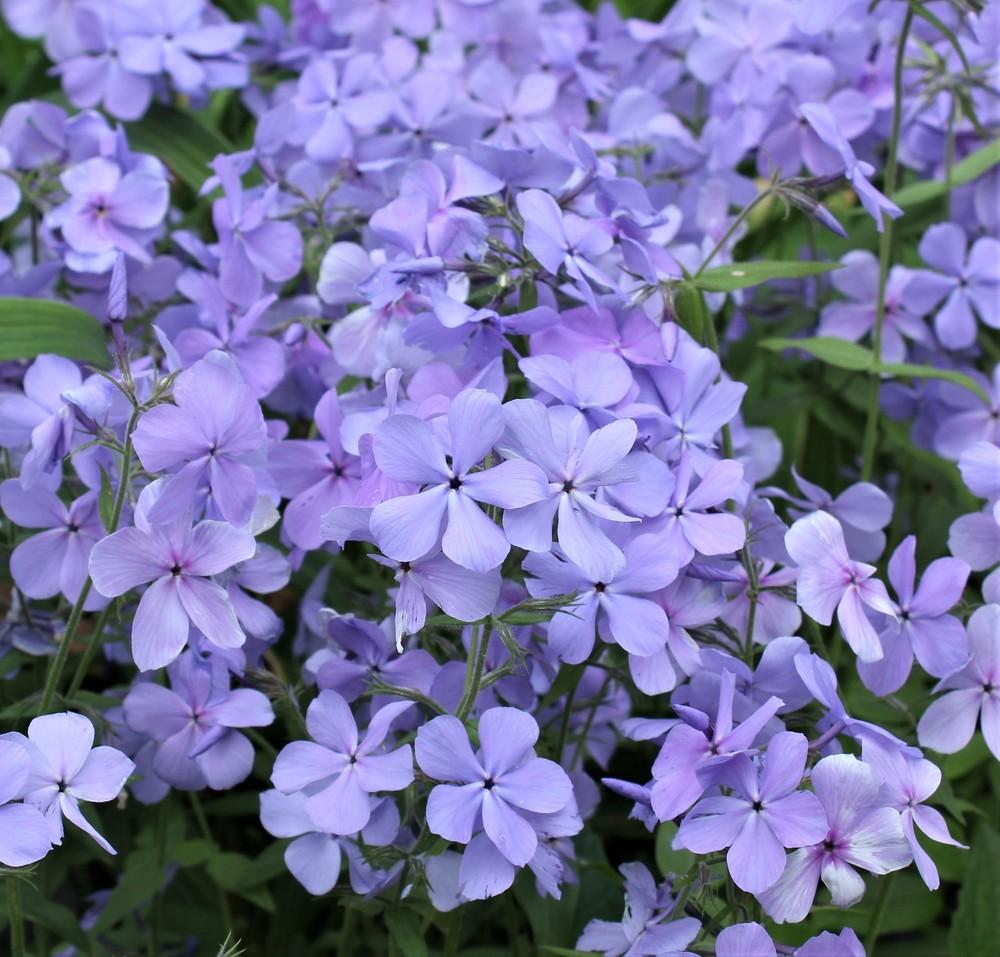
Wild Blue Phlox Phlox Divaricata Blue Moon In The Phloxes Database Garden Org

Phlox Divaricata Cure Nursery
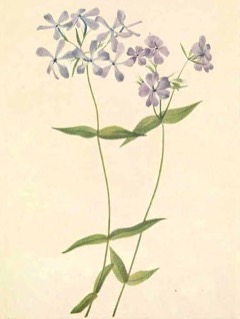
Phlox Divaricata Wild Blue Phlox Pfaf Plant Database

Phlox Divaricata Wild Blue Phlox Go Botany
Posting Komentar untuk "Wild Blue Phlox Uses"